Prototyping and Validation of Innovative Ideas – Workshop Delivered by Dr. Amnon Dekel במסגרת the UBB Student i-Lab Program (04–06.06.2026)
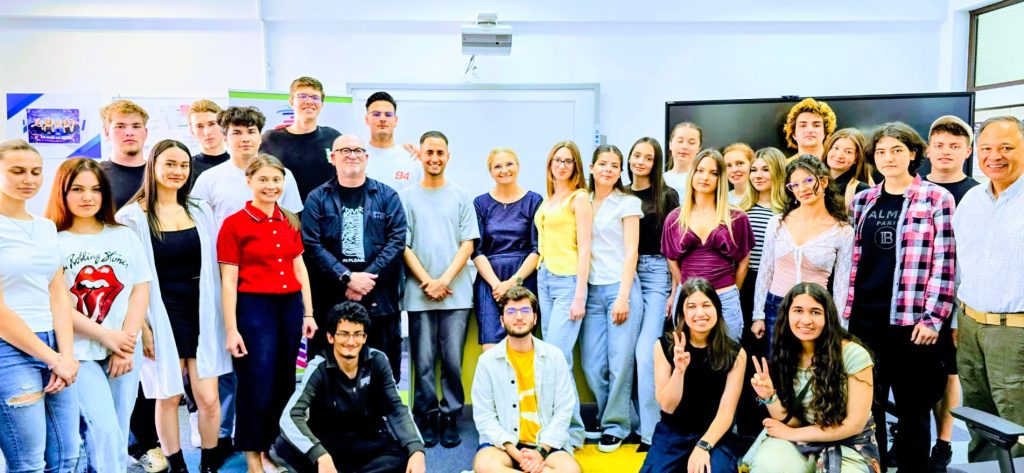
Between May 4–6, 2026, Workshop Room 120 hosted a workshop dedicated to innovation, prototyping, and intellectual property protection, delivered by Dr. Amnon Dekel, Executive Director of ASPER-HUJI Innovate – the Innovation and Entrepreneurship Center at the Hebrew University of Jerusalem. With more than 20 years of experience in developing IT products and applications, as well as over 15 years of applied research in fields such as User Experience and Mobile Computing, he has contributed to the launch of several innovative technology companies and has received numerous international awards, including a Pulitzer Prize nomination for his collaboration with The New York Times.
The workshop offered participants the opportunity to explore the process of transforming an idea into a functional prototype and validating it on the market. The activities addressed both the practical aspects of prototype development and the methods through which original ideas can be protected against unauthorized use. Participants learned how to turn their concepts into concrete solutions, test them with potential customers, and use modern tools for rapid product development.
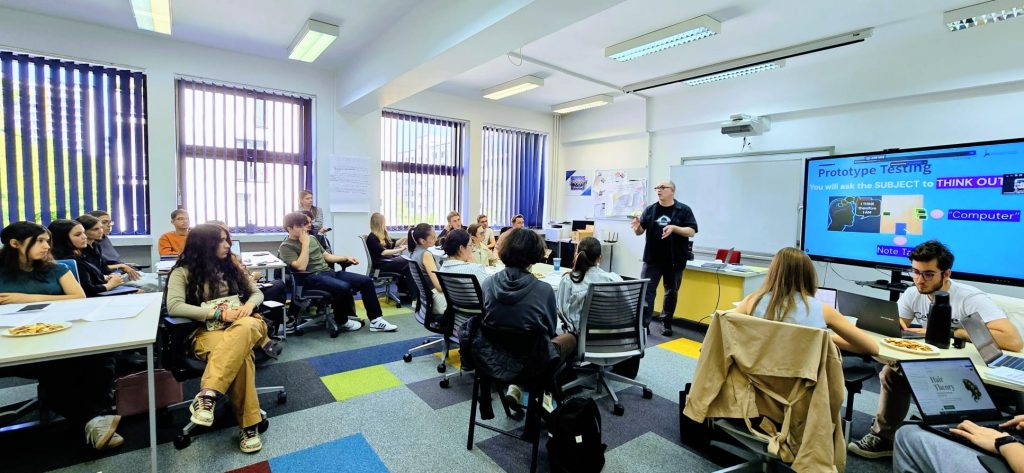
During the first day, participants were introduced to the prototyping process and to the use of NoCode and AI tools for developing interactive prototypes. The workshop combined theoretical insights with practical activities, giving participants the opportunity to present their ideas and development plans. Throughout the session, they received personalized recommendations and solutions aimed at improving execution and prototype development. Methods for validating solutions through interaction with potential users and testers were also discussed.
The second day was dedicated to prototype validation and innovation protection. The teams presented their developed prototypes and explained the market validation process. The main stages of product development were analyzed, from identifying customer needs to testing and improving solutions based on feedback collected through interviews, surveys, and demonstrations.
At the same time, participants explored innovation protection strategies, highlighting the unique elements of their prototypes and the measures used to protect them, such as patents and copyright. The risks associated with unauthorized use were also discussed, along with the solutions implemented to minimize them.